
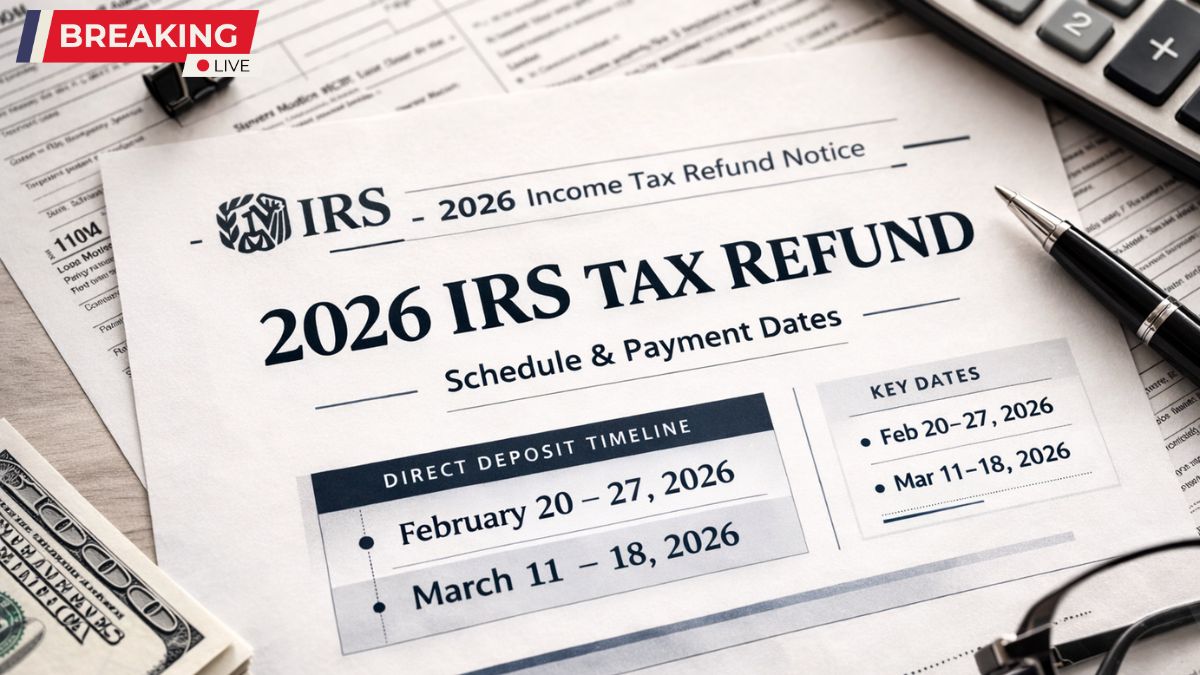
As the 2026 tax season moves forward, many taxpayers who have already filed their 2025 income tax returns are now waiting for their refunds. For a large number of households, a refund is not just extra spending money. It may be used to pay overdue bills, reduce credit card balances, manage monthly expenses, or add to an emergency savings account. Because refunds do not arrive on the same day for everyone, understanding how the process works can make the waiting period easier and less stressful.
When the Refund Timeline Begins
One of the most important steps in the refund process is the official acceptance of a tax return. Acceptance means that the tax authority has received the return and that it has passed basic system checks. This is the point when the processing timeline truly begins. It does not start on the day the return is mailed or submitted online. Instead, the countdown begins once the return is accepted into the system.
After acceptance, the return enters the review stage. During this period, the tax authority checks income details, confirms tax withholding amounts, and reviews any deductions or credits claimed. If everything appears accurate and complete, the refund moves forward for approval and payment.

Typical Processing Time
For most taxpayers who file electronically and have no issues with their return, refunds are commonly issued within about three weeks after acceptance. This 21-day estimate is an average timeframe rather than a guarantee. Some refunds may arrive sooner, while others may take longer depending on the details of the return.
It is important to remember that processing speed can vary from person to person. Factors such as filing method, claimed credits, and verification requirements all influence the final timeline.
How Filing Method Affects Speed
The method used to file a return plays a major role in how quickly a refund is received. Electronic filing is generally the fastest option because the information goes directly into the processing system without manual handling. When electronic filing is combined with direct deposit, the refund can be transferred straight into a bank account, avoiding delays caused by mail delivery.

Paper returns, on the other hand, require more time. They must be physically opened, entered into the system, and reviewed manually. This process adds extra days or even weeks to the timeline. Choosing to receive a paper check instead of direct deposit can also extend the waiting period because of printing and mailing time.
Common Reasons for Delays
Refunds may be delayed for several reasons. Simple errors such as incorrect Social Security numbers, missing forms, or inaccurate bank account details can slow the approval process. In some cases, returns are selected for additional review or identity verification. This often happens when certain tax credits are claimed or when the system detects unusual activity.
These extra checks are designed to protect taxpayers and prevent fraud. However, they can extend the refund timeline beyond the standard three-week estimate.

Tracking Your Refund
Taxpayers can monitor the progress of their refund using the official online tracking tool provided by the tax authority. This tool typically shows different stages, such as return received, refund approved, and refund sent. Checking the official website or mobile app is the safest way to get accurate updates.
Relying on unofficial sources or third-party claims may lead to confusion. Staying informed through verified channels helps reduce uncertainty while waiting for funds.
Final Thoughts
Waiting for a tax refund can feel stressful, especially when the money is needed for important expenses. Understanding that the timeline begins after acceptance and that electronic filing with direct deposit is usually the fastest option can help set realistic expectations. Careful filing, accurate information, and regular monitoring through official tools remain the best ways to ensure a smooth refund process.
Also Read:
 Stimulus Payment February 2026 – IRS Direct Deposit, Tariff Dividend and Tax Refund Fact Check
Disclaimer: This article is for informational purposes only and does not provide legal, tax, or financial advice. Refund timelines depend on individual circumstances and official processing procedures. For accurate and updated guidance, consult official tax authority resources or speak with a qualified tax professional.
