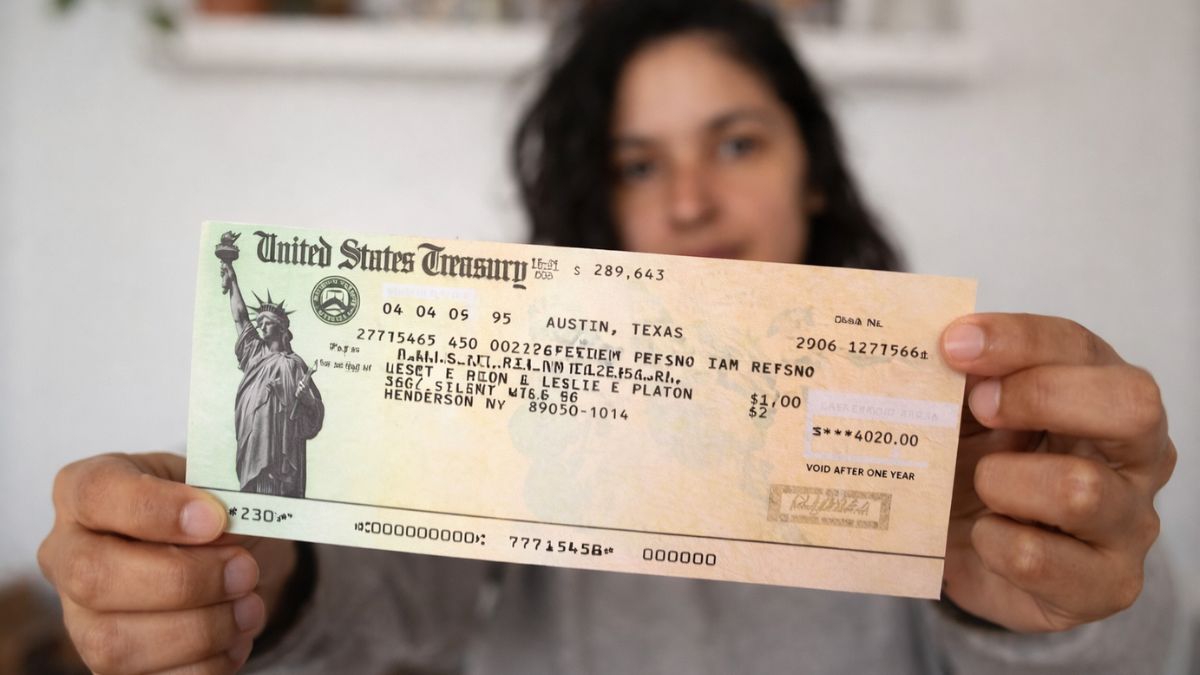
In February 2026, social media platforms have been filled with screenshots showing bank deposits of around $2,000. Many posts claim that the IRS has launched a new universal payment program for all Americans. These messages have spread quickly, creating excitement and hope for households facing high living costs. However, a closer look at official information shows that no nationwide $2,000 IRS direct deposit has been approved.
As of now, Congress has not passed any law authorizing a blanket $2,000 stimulus payment. Without legislation and a presidential signature, the IRS cannot issue such payments. The agency has released no official notice confirming a universal deposit for February 2026. This makes it important to separate online rumors from verified government announcements.
No New Stimulus Program Has Been Approved
The last major federal stimulus payments were distributed in 2021 under the American Rescue Plan. Those payments were clearly announced through official government channels and had defined eligibility rules. Since then, there has been no new universal stimulus program authorized.

Any claim that a surprise $2,000 payment has been launched without formal legislation should be viewed with caution. Government payments of this size require clear legal approval and public communication. At present, no such approval has occurred.
Why People Are Seeing Deposits Around $2,000
The most common reason people are receiving deposits close to $2,000 in February 2026 is tax refunds. The IRS began accepting tax returns in late January, and many early electronic filers have already received their refunds. For those who filed electronically and chose direct deposit, refunds typically arrive within about three weeks after acceptance.
Average refund amounts have increased this year. Changes in tax rules, including adjustments to deductions and credits, have led to larger refunds for some taxpayers. When these refunds appear in bank accounts and screenshots are shared online without context, it can create the impression of a new government payout. In reality, these are standard tax refunds based on individual filings.

Larger Refunds Linked to Tax Law Changes
Recent updates to tax laws have influenced refund amounts. The standard deduction has increased, and certain workers may qualify for additional deductions related to tips or overtime income. These adjustments can reduce taxable income and result in higher refunds.
Refund amounts vary widely depending on income, withholding, filing status, and credits claimed. There is no fixed $2,000 amount being sent to everyone. Each refund is calculated based on personal tax information.
Social Security Payments Also Causing Confusion
Another reason some households are seeing larger deposits is the annual cost-of-living adjustment for Social Security benefits. In 2026, benefits increased due to inflation adjustments. For households receiving multiple benefits, such as retirement payments and Supplemental Security Income, combined deposits may appear significant.

However, these payments are part of existing programs. They are not new stimulus checks. The maximum SSI payment remains well below $2,000 for individuals, and higher totals usually reflect multiple benefits combined.
Protect Yourself From Payment Scams
Whenever rumors of government payments spread, scams often increase. Fraudsters may send fake messages claiming that recipients must provide personal details to receive a $2,000 deposit. The IRS does not contact people through random text messages, social media, or messaging apps to announce surprise payments.
All official IRS communication begins with formal channels. Taxpayers should verify payment information only through trusted government websites. Avoid clicking unknown links or sharing sensitive financial details.

How to Check Your Actual Refund Status
Taxpayers waiting for legitimate refunds can use the official IRS “Where’s My Refund?” tool to track progress. This online system shows whether a return has been received, approved, or sent. Accurate information and careful filing help ensure faster processing.
Mistakes such as incorrect bank details or missing forms can delay refunds. Reviewing all information before submission reduces the risk of extended waiting times.
Final Thoughts
There is no confirmed universal $2,000 IRS direct deposit for February 2026. Most deposits appearing this month are standard tax refunds or regular Social Security payments. Understanding the difference between verified programs and online rumors helps households avoid confusion and protect their finances.

Disclaimer: This article is for informational purposes only and does not provide legal, tax, or financial advice. As of February 2026, no universal $2,000 IRS direct deposit has been authorized by law. Refund amounts and benefit payments depend on individual circumstances. Readers should confirm all details through official government sources before making financial decisions.