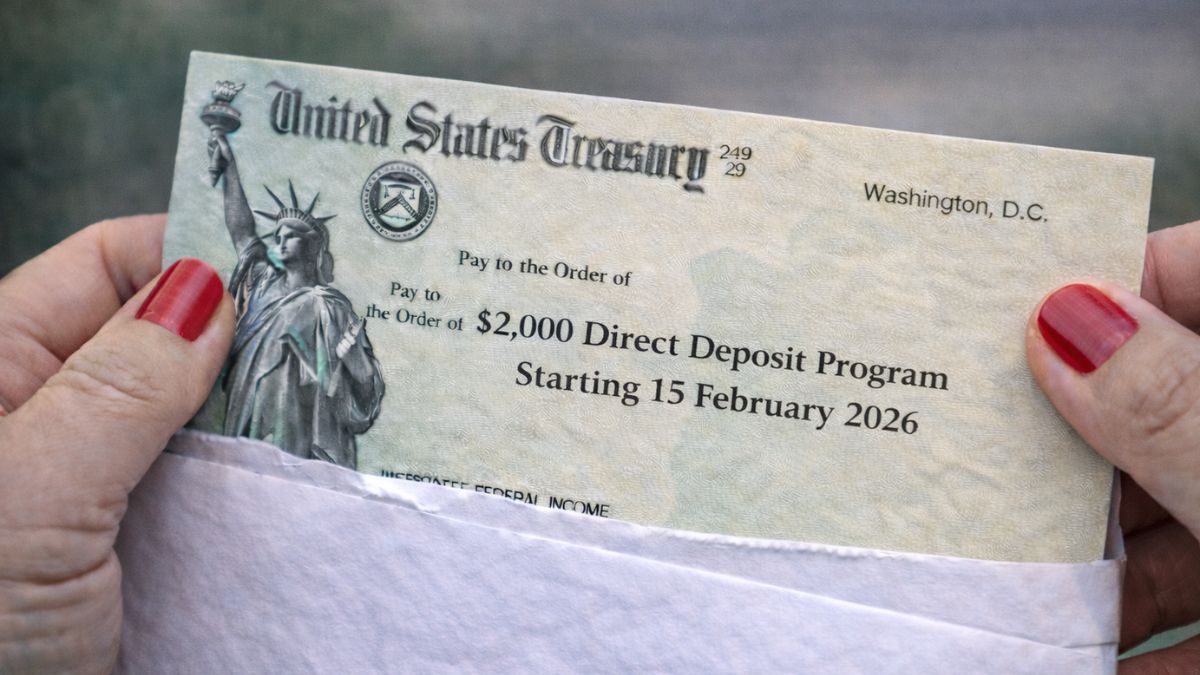
Stimulus Payment February 2026 – IRS Direct Deposit, Tariff Dividend and Tax Refund Fact Check

By Pooja Mehta

Published On:

Stimulus Payment February 2026

Stimulus Payment February 2026 – As 2026 begins, many Americans are seeing online posts that talk about new stimulus checks, surprise IRS direct deposits, and special government dividend payments. Messages are being shared widely on social media and through forwarded emails, leading some families to believe that another round of financial relief is on the way. Because people remember the emergency payments issued in previous years, it is natural to hope that similar support might return. However, it is important to carefully separate confirmed facts from rumors before expecting any new payment.

No Nationwide Stimulus Has Been Approved

At this time, there is no officially approved federal stimulus payment scheduled for February 2026. The large economic impact payments that were distributed during earlier emergency programs have already ended. After those programs concluded, eligible individuals had a limited period to claim missed amounts through a Recovery Rebate Credit. That deadline has passed.

For a new federal stimulus to be issued, Congress would need to pass a law and the President would need to sign it. After that, the Internal Revenue Service would publish clear instructions explaining eligibility, payment amounts, and timelines. As of now, no such law has been enacted, and there is no active nationwide program authorizing a universal payment.

Also Read:
2026 Tax Refund Schedule Explained 2026 Tax Refund Schedule Explained: When Will Your Money Arrive?

The Tariff Dividend Idea Is Still a Proposal

Another topic circulating online is the idea of a “tariff dividend.” This proposal suggests that revenue collected from import tariffs could be distributed directly to American citizens. While the concept has been discussed publicly, it has not been approved by lawmakers. There is no funded or operational program connected to this idea.

Financial analysts have also raised questions about whether tariff revenue would be large enough to support significant payments to millions of households. At this stage, the tariff dividend remains only a proposal and not an authorized government benefit.

Claims About Spending Cut Payments Are Unconfirmed

Some online posts mention the possibility of sending money to citizens based on federal budget savings. These claims suggest that if government spending is reduced, part of those savings could be returned to taxpayers. However, no official policy or legislation has created such a program. Without formal approval and administrative rules, these claims remain speculative and unverified.

Also Read:
IRS $2,000 Direct Deposit Jan 2026 Newss IRS February 2026 Refund Update – Find Out When Your Money Will Hit Your Account

Limited Military Bonuses Do Not Apply to Everyone

While there is no new broad stimulus, certain targeted military bonus payments were authorized in late 2025. These payments apply only to specific service members under federal law. They do not extend to the general public. It is important not to confuse these limited programs with a nationwide stimulus plan.

Many February Deposits Are Regular Tax Refunds

Some individuals who notice deposits in early 2026 may assume they have received a new government payment. In many cases, these deposits are simply tax refunds. Refunds occur when taxpayers have paid more federal income tax than required or qualify for refundable credits.

Tax season usually begins in late January. Those who file electronically and select direct deposit often receive refunds within a few weeks. Depending on income levels, tax withholding, and credits claimed, refunds may total around $2,000 or more. However, this money represents overpaid taxes being returned, not a new stimulus program.

Also Read:
Social Security Payment Schedule Social Security Payment Schedule and Taxability Guidelines for 2026

Protect Yourself From Scams

Whenever rumors about government payments spread widely, scam activity tends to increase. Fraudulent messages may claim to offer early access to funds or request personal and banking information. The IRS does not contact individuals through unexpected emails, text messages, or social media asking for sensitive details.

The safest way to confirm any payment is by checking official government websites and reviewing announcements directly from federal agencies.

Conclusion

There is currently no new nationwide stimulus payment approved for February 2026. Proposals such as tariff dividends or spending-based dividends have not been enacted into law. Any deposits appearing in early 2026 are most likely standard tax refunds or routine benefits. Relying on verified government sources is the best way to stay informed and avoid confusion during tax season.

Also Read:
## Federal $2,000 Payment February 2026: What Beneficiaries Should Know As February 2026 approaches, many Americans are asking whether a federal $2,000 payment will be issued and who might qualify. With the cost of rent, groceries, utilities, and healthcare continuing to rise, families are paying close attention to any news about possible government support. For retirees, working households, and people living on fixed incomes, even a one-time payment can provide meaningful short-term relief. When budgets are tight, an extra deposit can help cover urgent expenses. Some families may use the money to catch up on overdue bills or manage heating and electricity costs during winter months. Others might apply it toward groceries, prescription medications, or reducing high-interest credit card balances. While a single payment cannot solve long-term financial challenges, it can offer breathing room during difficult periods. ## How Eligibility Is Typically Determined Federal payments are usually based on income levels and recent tax records. In most cases, the government reviews information from the most recently filed federal tax return to determine whether someone qualifies. Income thresholds are set to focus assistance on low- and moderate-income households. Social Security retirement beneficiaries, disability recipients, and certain veterans may also be considered under federal relief measures, depending on official guidelines. Eligibility rules are determined by law and can include factors such as residency status, filing history, and household size. Accurate records are essential. If a person’s tax information is outdated, or if banking details and mailing addresses are incorrect, payments may be delayed. Keeping personal information current helps ensure that funds, if approved, are delivered without unnecessary complications. It is important to understand that eligibility depends on official government decisions. Until policies are formally enacted and published, payment guidelines may change. ## How Federal Payments Are Sent When federal payments are authorized, they are typically distributed in phases. Direct deposit is usually the first method used because it is faster and more secure. Individuals who have bank account information on file with the IRS or relevant federal agencies are often prioritized for electronic transfers. Direct deposits may begin in early February for those whose eligibility has already been confirmed. Additional deposits may continue through mid-February as more records are processed. Individuals without direct deposit details on file may receive paper checks or prepaid debit cards later in the month. Mailed payments often take longer due to printing and delivery time. Phased distribution allows federal systems to manage large payment volumes efficiently. However, this process also means that not everyone receives funds on the same date. ## Steps to Help Avoid Delays To reduce the risk of delays, individuals should ensure that their most recent tax return has been filed if required. Filing electronically and choosing direct deposit remains the fastest method for receiving government funds. Double-checking bank account numbers and mailing addresses is equally important. Monitoring official announcements from federal agencies helps prevent confusion. During periods when payment news spreads quickly online, misinformation can circulate. Relying only on verified government sources protects personal information and reduces the risk of scams. ## Planning for Financial Stability If a $2,000 payment is received, many households may choose to use it carefully. Paying down high-interest debt can reduce long-term financial strain. Setting aside a portion for emergency savings can provide protection against unexpected expenses later in the year. Thoughtful planning can help extend the value of a single payment beyond immediate needs. Careful budgeting supports stronger financial stability over time. ## Conclusion The conversation around a possible federal $2,000 payment in February 2026 highlights the financial concerns facing many Americans. Clear information about eligibility and distribution is essential for managing expectations. Keeping tax records updated and following official guidance remain the best steps for ensuring that any approved payment is received smoothly. $2,000 Direct Deposits From February 12, 2026 Federal $2,000 Payment Coming February 2026 – Complete Guide for Beneficiaries

Disclaimer

This article is for informational purposes only and does not provide financial, legal, or tax advice. No new nationwide stimulus payments have been officially approved for February 2026. Government programs and policies may change based on future legislation. Readers should confirm details through authorized government sources or consult a qualified professional for guidance specific to their situation.

Related Posts

Leave a Comment